Data Structures and Algorithms (DSA) are the foundations of efficient programming. A data structure defines how data is stored and organized, while an algorithm is a step-by-step method used to solve a problem using that data.
Modern systems-from search engines to ride-sharing apps-depend on efficient algorithms and well-designed data structures. Learning DSA improves problem-solving ability, helps you write faster and scalable programs, and prepares you for technical interviews and real engineering challenges.
If you want to become a strong software engineer, DSA is not optional-it is fundamental.
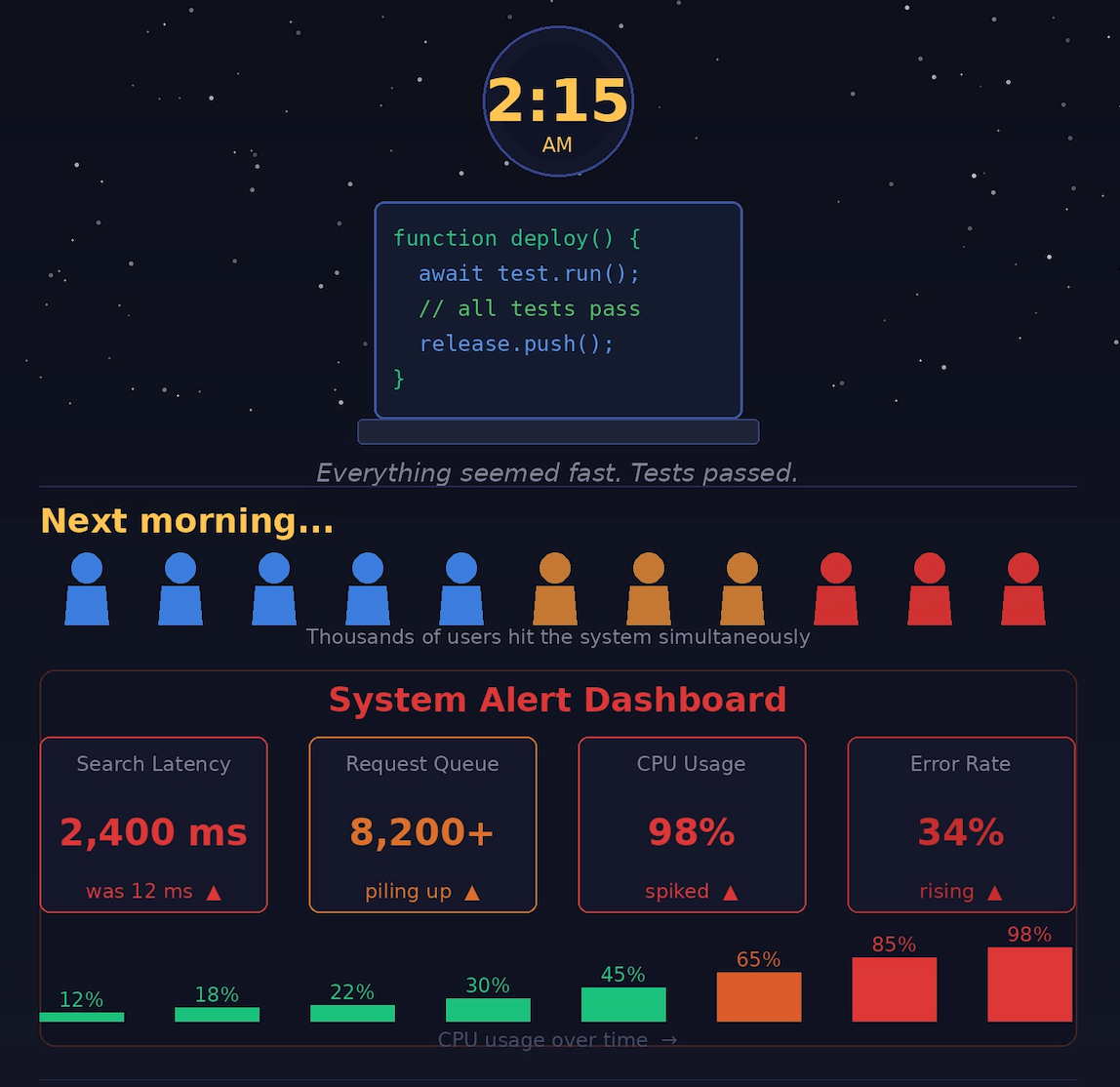
It’s 2:15 AM.
You just deployed a feature that works perfectly during testing. Your laptop handled the data easily. Everything seemed fast.
The next morning, thousands of users started using the application.
Suddenly, the system slows down.
Search results take seconds instead of milliseconds.
Requests start piling up.
The server's CPU usage spikes.
The code is correct. Logic work. Yet the system struggles.
So, what went wrong?
The problem is rarely programming languages.
The problem is how data is stored and how algorithms process that data.
If your program searches through a million records inefficiently, performance collapses.
But if the same problem is solved using a better data structure and algorithm, the system remains fast even under heavy load.
That difference is exactly what Data Structures and Algorithms are designed to solve.
A data structure is a method of organizing and storing data so it can be accessed and modified efficiently.
Think of it like organizing items in the real world.
Imagine a library.
If books are scattered randomly across the floor, finding one book becomes difficult. But if books are organized into shelves and categories, locating them becomes much faster.
Data structures do the same thing for programs.
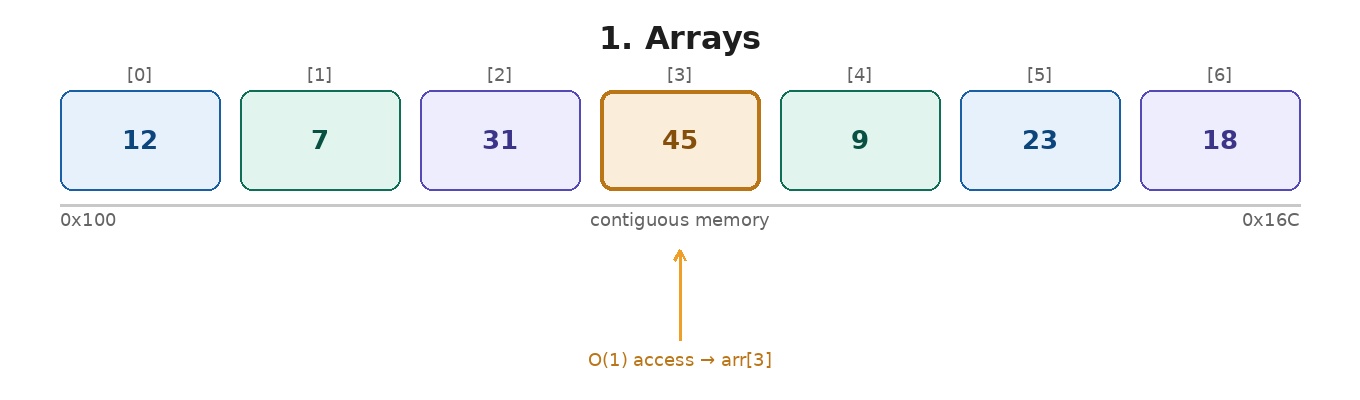
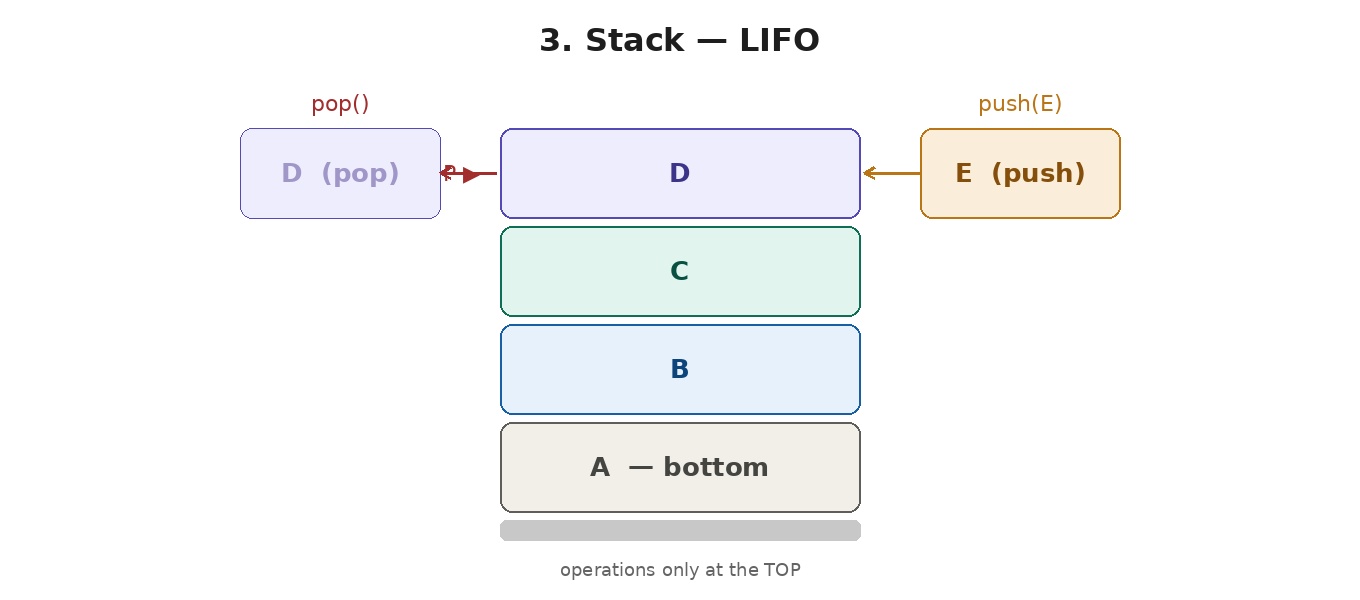
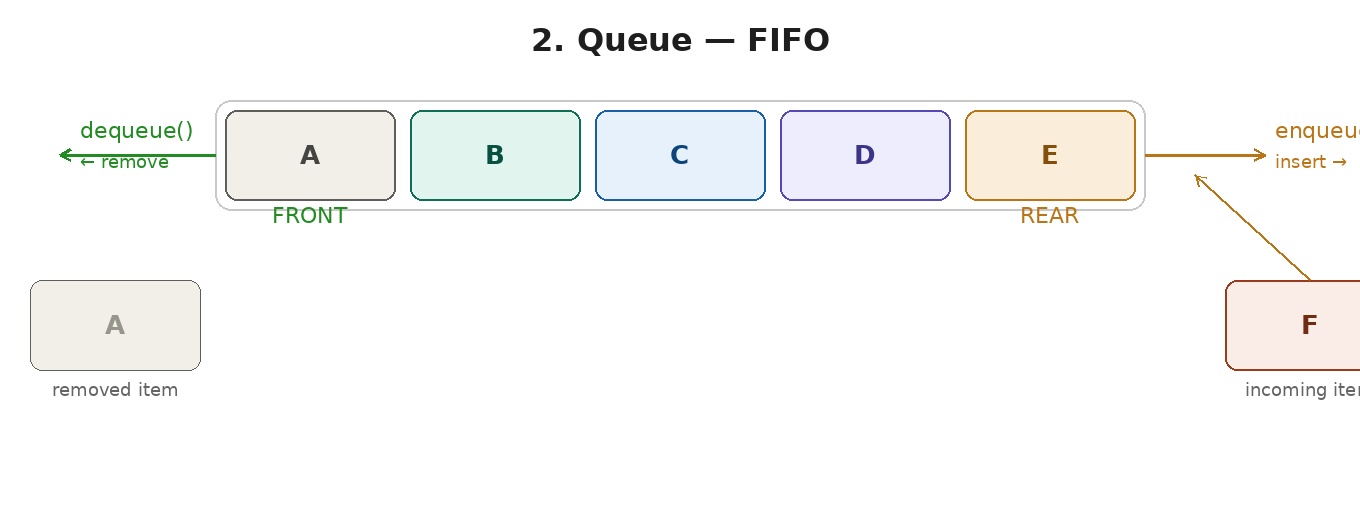
They provide structured ways to store information so that operations like searching, inserting, or deleting data become efficient.
int max = arr[0];
for (int i = 1; i < arr.length; i++) {
if (arr[i] > max) {
    max = arr[i];
    }
}
System.out.println(max);Data structures and algorithms are closely connected.
A data structure stores the data, while an algorithm defines how the data is processed.
For example:
| Problem | Data Structure | Algorithm |
|---|---|---|
| Search an element | Array | Binary Search |
| Maintain priority tasks | Heap | Heap operations |
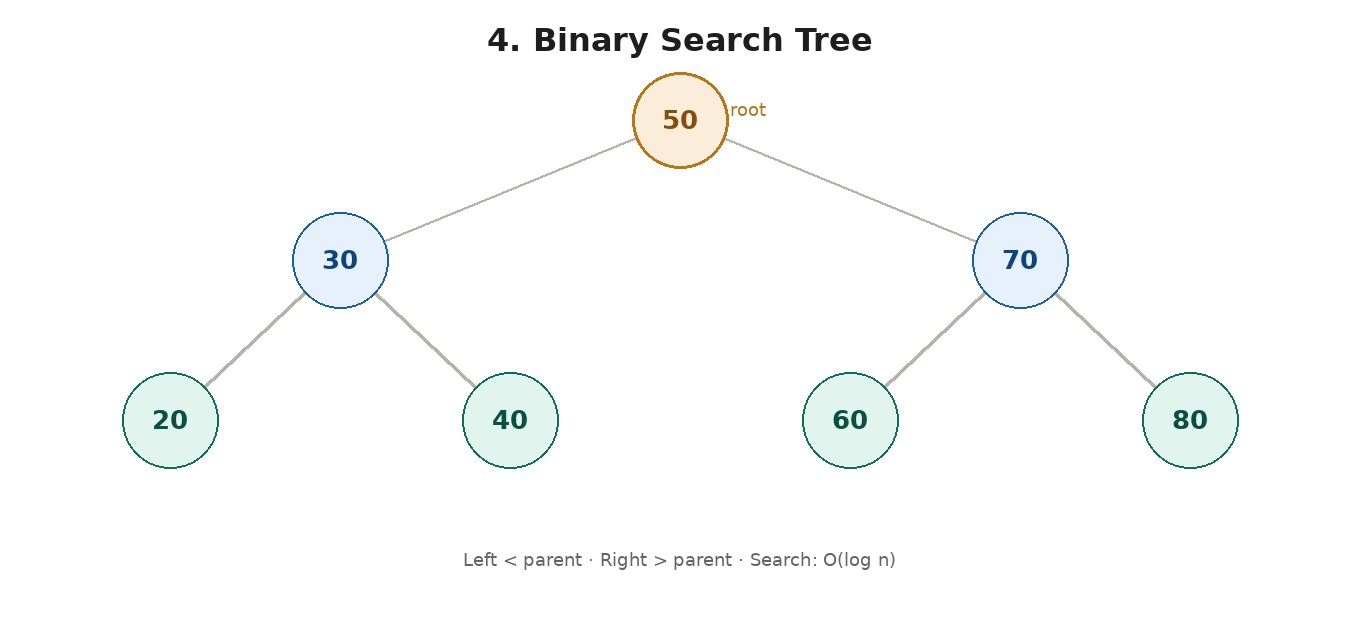
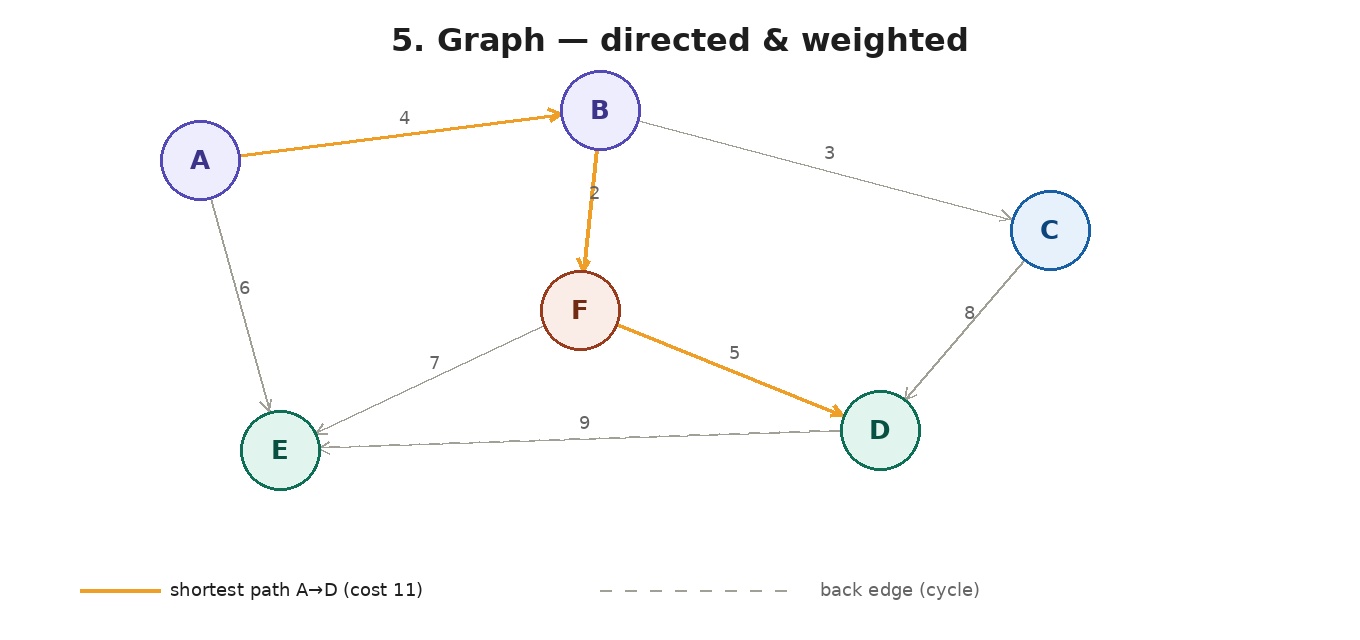
| Social network connections | Graph | BFS / DFS |
| Route navigation | Graph | Shortest path algorithm |
Many beginners believe DSA is only useful for coding interviews.
In reality, it is essential for real-world software systems.
Large-scale platforms rely heavily on efficient algorithms.
For example:
Search Engines
Algorithms process billions of pages to return relevant results instantly.
Social networks
Graph algorithms manage complex relationships between users.
Navigation Apps
Shortest path algorithms calculate optimal routes.
Streaming Platforms
Recommendation algorithms analyze user behavior to suggest content.
Without efficient algorithms and data structures, these systems would struggle to scale.
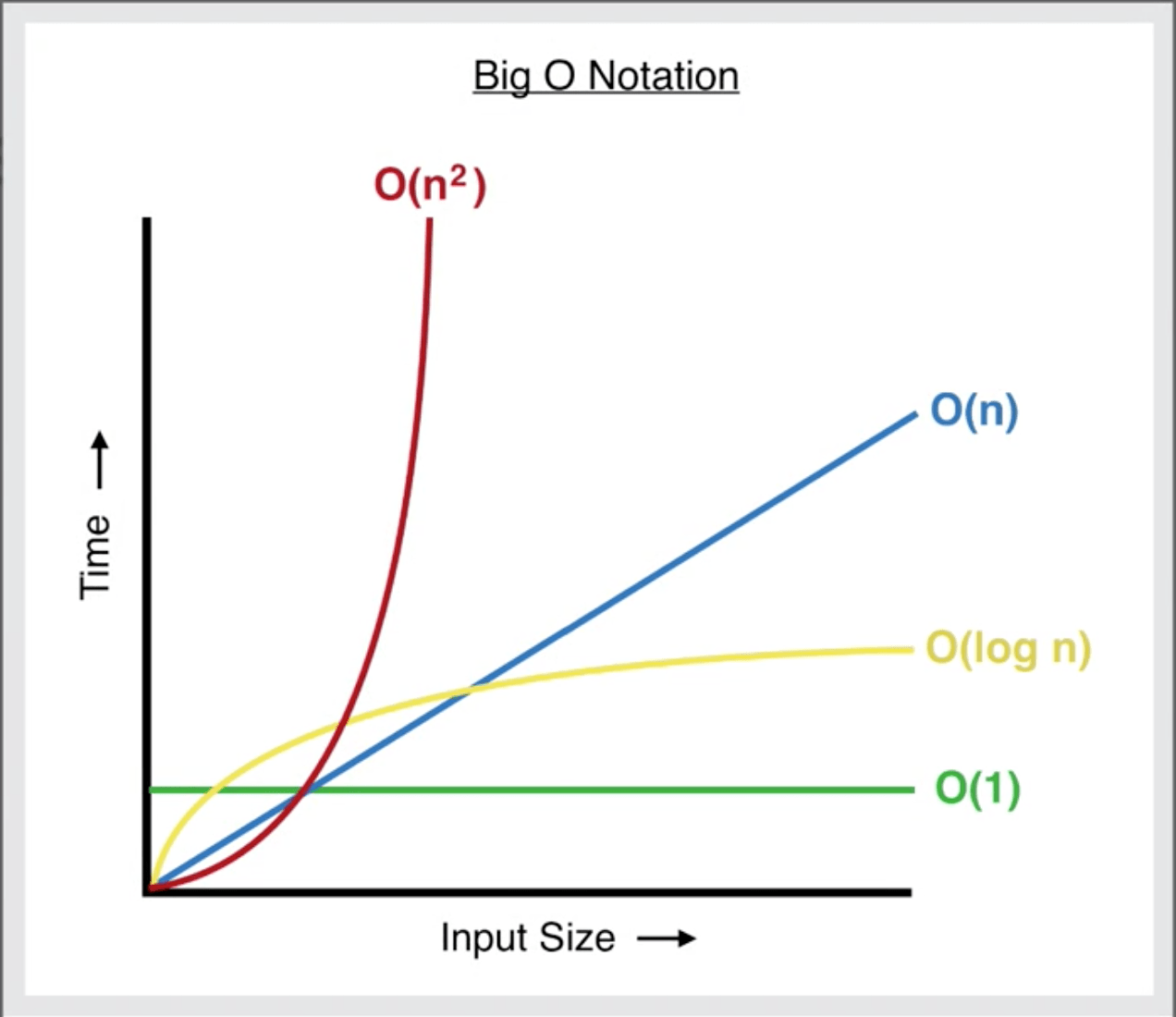
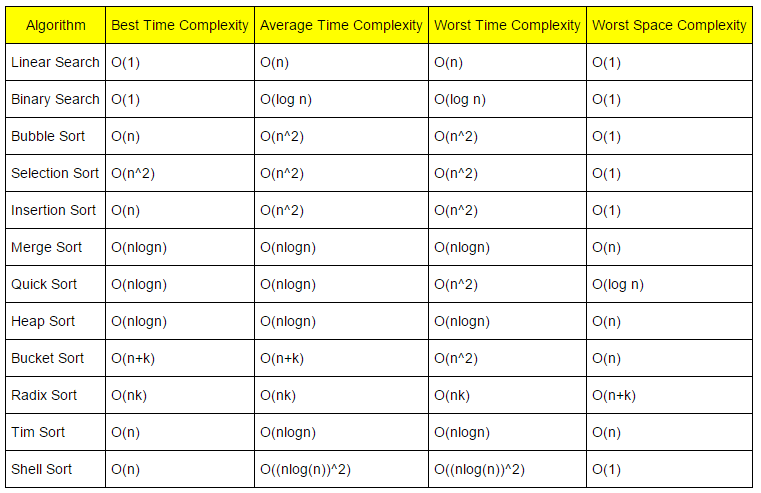
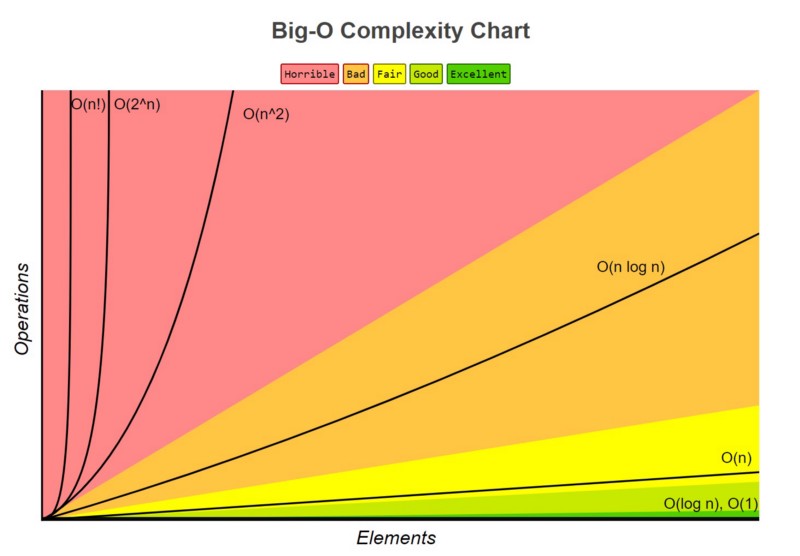
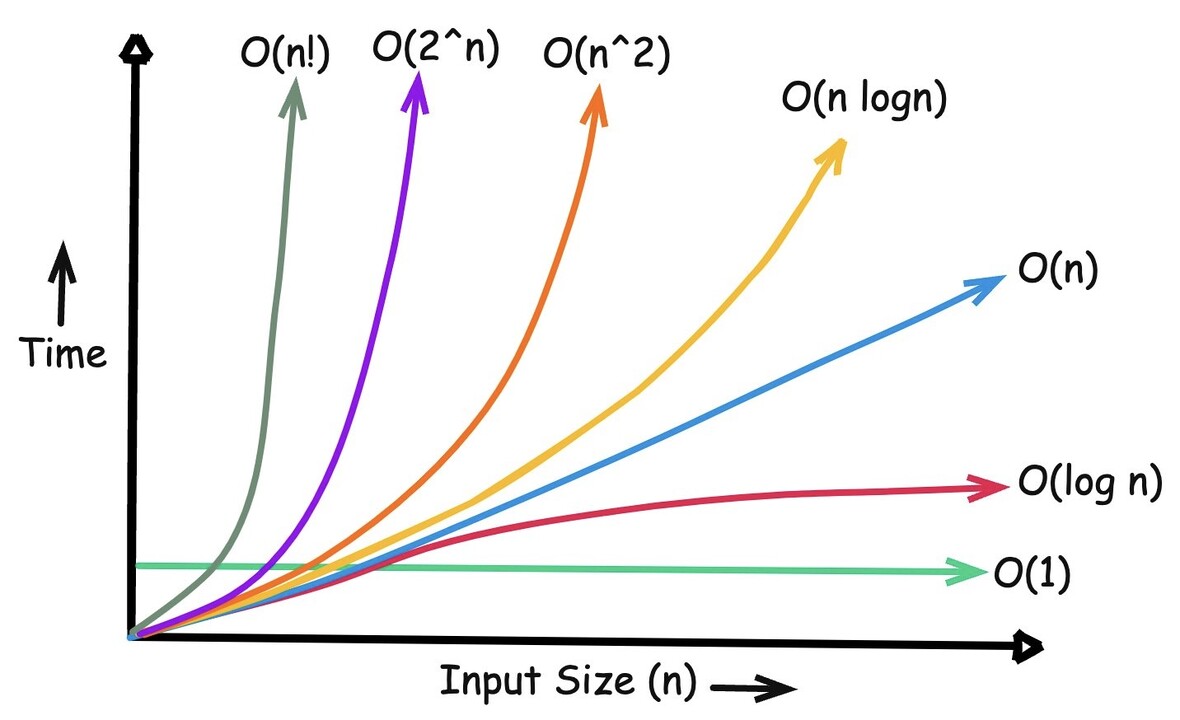
Not all algorithms perform equally.
Some algorithms process data much faster than others.
For example:
To master Data Structures and Algorithms, developers typically study several major areas.
DSA is deeply embedded in modern software.
Examples include:
Database indexing
Uses tree structures to retrieve records efficiently.
Routing systems
Graph algorithms compute optimal paths.
Memory management
Stacks and queues manage program execution.
Compression algorithms
Advanced algorithms reduce storage size.
Even simple applications rely on these concepts behind the scenes.
Yes. Most DSA concepts rely on logical thinking rather than advanced mathematics.
DSA concepts are language independent. Java, Python, and C++ are all commonly used for practice.
With consistent practice, most learners build strong fundamentals in 3–6 months. Mastery comes through solving many problems over time.
Modern software systems process enormous amounts of data.
Efficiency is no longer optional.
Programs must be designed to scale, respond quickly, and handle complex workloads.
Data Structures and Algorithms provide the tools needed to build such systems.
Learning DSA transforms how you think about programming.
Instead of simply writing code that works, you begin designing solutions that work efficiently and reliably on scale.
And that mindset separates average programmers from strong engineers.
Contact Codekerdos to get started.
